Introduction: Why the Air Inside Your Home Matters More Than You Think
House air quality testing is the process of measuring pollutants in your home’s air to identify health risks and find solutions. You can choose between basic DIY kits ($10-$100) or professional services ($200-$1000+) for a comprehensive analysis of pollutants like mold, radon, VOCs, and asbestos.
Quick Answer: Why Test Your Home’s Air?
- You spend 90% of your time indoors where pollutant levels can be 2-5 times higher than outside.
- Indoor air affects your health, causing allergies, headaches, respiratory issues, and even cancer.
- Many pollutants are invisible, like radon, carbon monoxide, and most VOCs.
- Testing identifies specific problems so you can fix them effectively.
- Professional testing provides accurate results and expert interpretation.
Most of us spend about 90% of our time indoors, yet we have no idea what we’re breathing. The air in your home can harbor invisible threats like mold spores, radon gas, and VOCs from new furniture. You might notice the signs—persistent allergies, unexplained headaches, or a musty smell. These symptoms are your home telling you something is wrong with the air.
The good news is that you can get concrete answers. Testing your home’s air quality reveals what pollutants are present and how to eliminate them. Whether your home is old or new, understanding your indoor air quality is the first step toward breathing easier.
This guide covers everything you need to know about house air quality testing, from identifying pollutants to choosing a testing method and implementing solutions.
Uncovering Hidden Dangers: Common Pollutants and Warning Signs
The air inside our homes can be a complex cocktail of pollutants, often at higher concentrations than outdoor air. Since indoor air is largely unregulated, understanding the invisible threats and their symptoms is crucial for your family’s health.
What Are the Common Indoor Air Pollutants?
Let’s pull back the curtain on the usual suspects lurking in our homes.
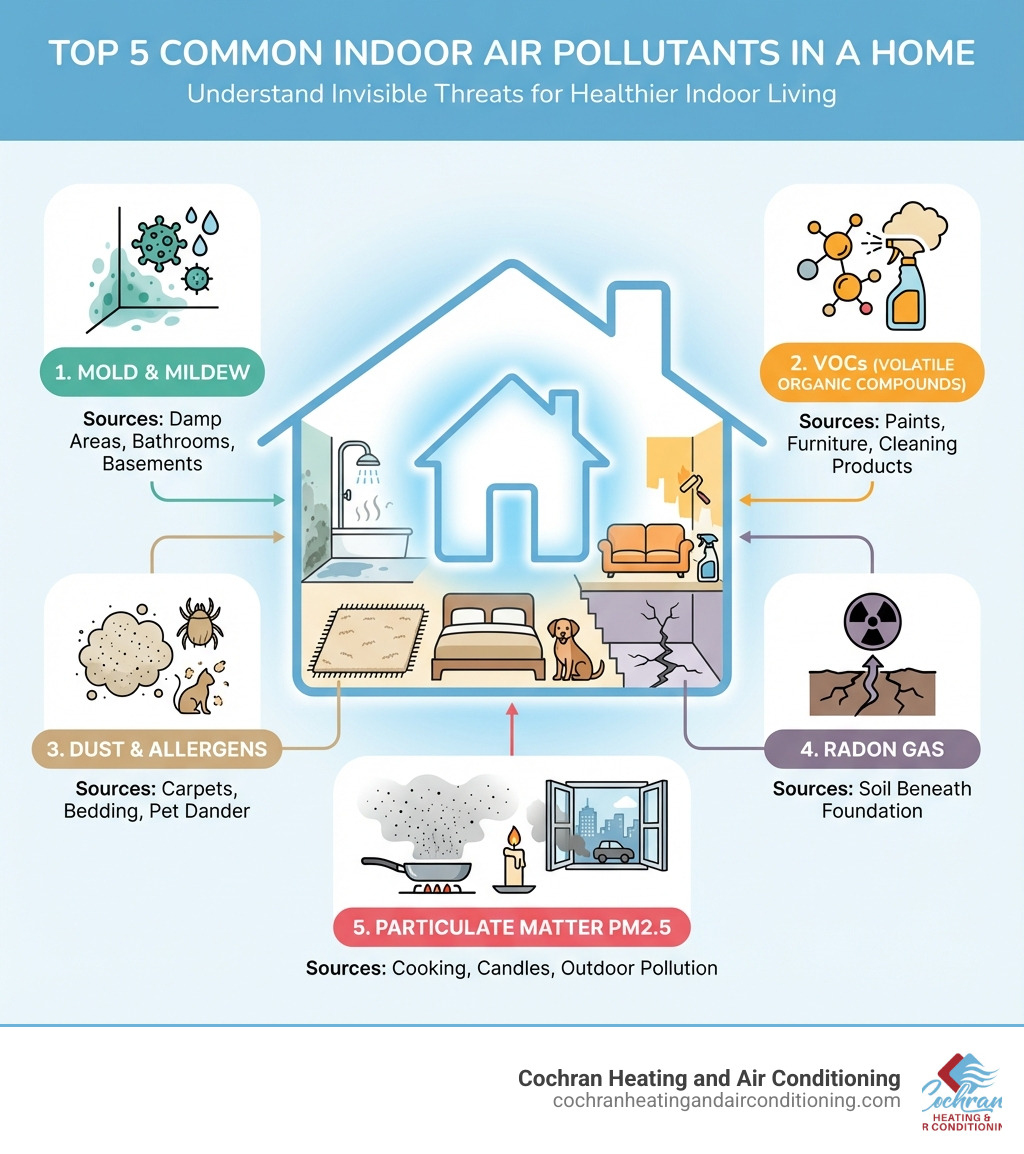
- Mold and Mildew: These fungi thrive in damp areas like leaky pipes, poorly ventilated bathrooms, and basements. After a flood, mold can grow on wet materials within 24-48 hours, making the air unhealthy.
- Dust and Allergens: Homes collect skin flakes, pet dander, pollen, and dust mites. Carpets, bedding, and upholstered furniture are common reservoirs for these allergens.
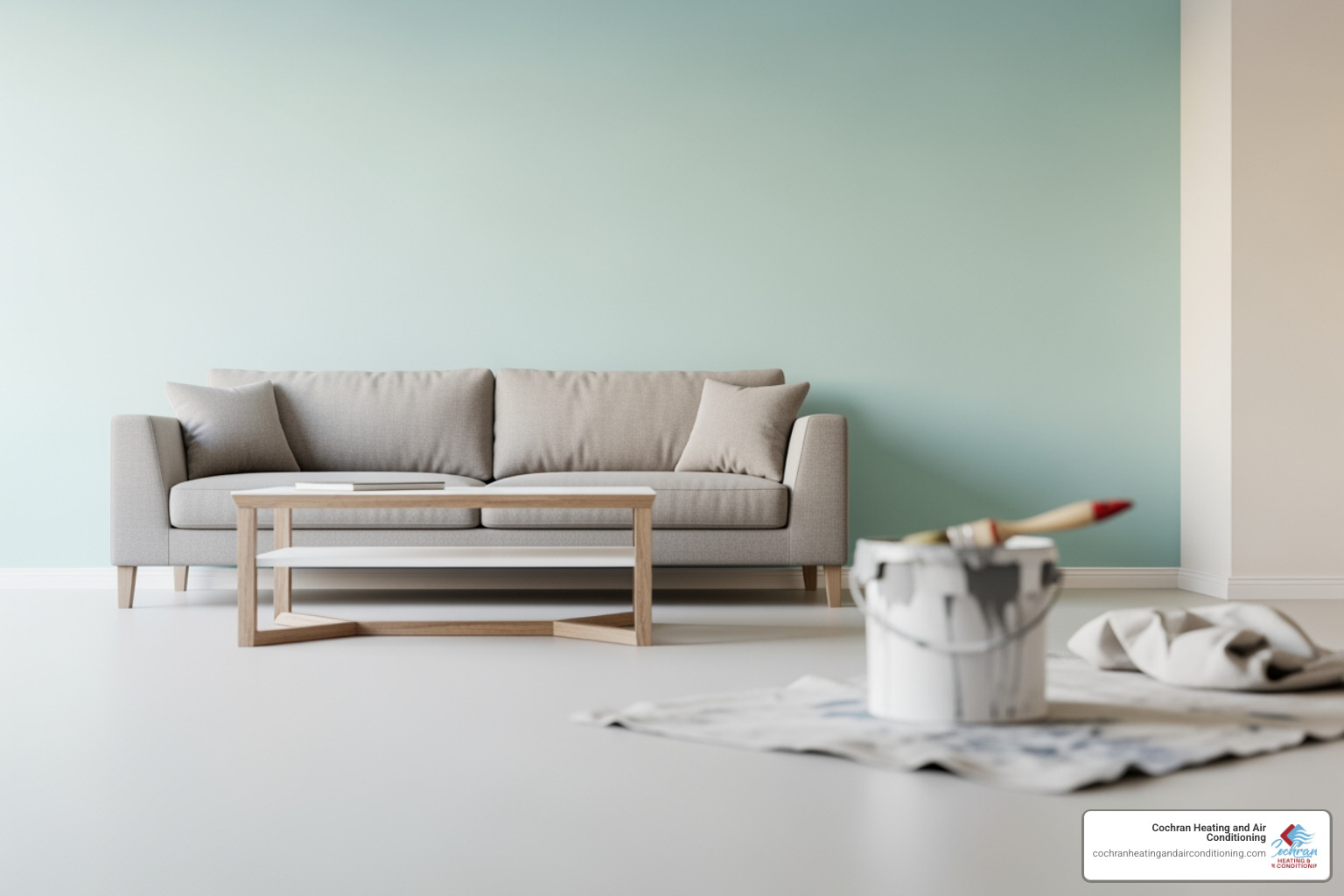
- Volatile Organic Compounds (VOCs): These gases are emitted from paints, cleaning supplies, air fresheners, new furniture, and carpeting. That “new house smell” is often a sign of VOCs off-gassing from building materials.
- Radon: This odorless, colorless, radioactive gas seeps into homes from the ground and is the second leading cause of lung cancer. Since you can’t see or smell it, house air quality testing for radon is essential.
- Asbestos: A fibrous mineral used in building materials from the 1940s through the 1970s. Undisturbed materials like floor tiles pose low risks, but damaged insulation can release hazardous fibers.
- Carbon Monoxide (CO): An odorless, colorless, and highly poisonous gas produced by incomplete combustion. It can leak from gas stoves, furnaces, and vehicles running in an attached garage. The CDC recommends annual servicing of fuel-burning appliances.
- Particulate Matter (PM2.5 and PM10): Tiny particles from cooking, burning candles, fireplaces, and outdoor pollution that infiltrate indoors. PM2.5 particles are especially dangerous as they can enter the lungs and bloodstream.
Health Impacts and Telltale Signs
The effects of poor indoor air quality range from minor irritation to severe conditions. Recognizing these signs is key to knowing when to test.
- Persistent Allergies & Respiratory Issues: Chronic sneezing, runny nose, coughing, or worsening asthma can be caused by indoor allergens like mold, dust mites, and pet dander.
- Unexplained Headaches & Fatigue: Feeling constantly tired, dizzy, or having frequent headaches can be a sign of exposure to VOCs or carbon monoxide.
- Musty Odors & Visible Mold: A persistent damp smell often indicates hidden mold. Any visible mold growth requires immediate attention.
- High Humidity: Indoor humidity above 50% creates a breeding ground for mold, dust mites, and bacteria.
- Serious Health Concerns: Long-term exposure can be severe. Radon is a leading cause of lung cancer, while asbestos can cause mesothelioma. Even subtle air pollution can impact mental health, with research suggesting a link between polluted air and changes in the brain.
If you notice these signs, or if symptoms persist despite regular cleaning, it’s time to consider professional house air quality testing.
Your Guide to House Air Quality Testing Methods
Different pollutants require different testing methods. A targeted, professional approach is the best way to understand what’s in your home’s air. Here are the types of assessments available to identify specific contaminants.
Professional Testing for Biological Pollutants
Professionals can precisely identify and quantify biological pollutants like mold, bacteria, and allergens.
- Mold and Mildew Inspection: This includes a visual inspection, moisture assessment, and air or surface sampling. Lab analysis of samples identifies mold types and concentrations, distinguishing between common and more hazardous species.
- Allergen and Dust Mite Analysis: For persistent allergies, professionals can test dust samples from carpets and upholstery for specific triggers like dust mites, pet dander, and pollen to guide mitigation strategies.
- Benefits of Expert Assessment: Professionals use calibrated equipment and follow strict protocols, providing expert interpretation of lab results and actionable insights for your home.
Professional Testing for Chemical Pollutants
Identifying invisible and often odorless chemical pollutants requires specialized equipment and lab analysis.
- Volatile Organic Compounds (VOCs) Analysis: Air samples are collected over a period (often 24 hours) and sent to a lab for analysis that can identify and quantify hundreds of different VOCs. This is especially useful in new homes or after renovations.
- Formaldehyde Detection: As a common VOC in building materials and furniture, formaldehyde can be measured with dedicated tests that use passive badges for lab analysis.
- Carbon Monoxide Monitoring: While CO detectors are essential for safety, professionals can use specialized meters to pinpoint sources of leaks and assess ventilation effectiveness.
Professional Testing for Radon and Asbestos
These two dangerous pollutants require specific testing protocols.
- Radon Gas Testing: The EPA emphasizes the health risk of radon, an odorless and colorless gas.
- Short-term monitoring: Kits used for 2-90 days provide a quick snapshot of radon levels.
- Long-term monitoring: Kits used for over 90 days give a more accurate average over different seasons. Regular house air quality testing for radon is a must.
- Asbestos Inspection for Older Homes: If your home was built before the 1980s, it might contain asbestos. A professional can safely collect samples of suspected materials (insulation, tiles, popcorn ceilings) for lab analysis. Never disturb suspected asbestos yourself, as this can release dangerous fibers.
Why Choose Professional Air Quality Testing?
While a quick DIY test might seem appealing, there are significant advantages to hiring experts for house air quality testing. Understanding these differences helps you make the best decision for your home’s health.
Limitations of DIY Air Quality Testing
DIY kits can offer a basic screening, but it’s important to recognize their limitations:
- Potential for Inaccurate Results: DIY kits often lack the sensitivity of professional equipment and are prone to user error, which can lead to false negatives or false positives.
- Limited Scope: Most DIY kits test for only a few common pollutants, missing a broad spectrum of contaminants like specific VOCs or asbestos.
- Challenges in Interpreting Results: A DIY result can be hard to interpret without professional context. Lab analysis provides detailed breakdowns against established safety guidelines.
- No Actionable Plan: DIY kits may indicate a problem but don’t explain the cause or provide a clear solution. Professionals identify sources and recommend custom remedies.
When to Call in the Experts
Professional house air quality testing is essential in several situations:
- Complex Issues: If you suspect multiple pollutants, have persistent health symptoms, or notice widespread odors.
- Post-Remediation Verification: To confirm that a problem like mold or asbestos has been fully resolved.
- Real Estate Transactions: To provide unbiased documentation of a home’s condition for buyers and sellers.
- Sensitive Individuals: For households with children, the elderly, or those with asthma, allergies, or compromised immune systems.
- When Symptoms Persist: If you’ve already tried basic improvements like better ventilation and cleaning without success.
[TABLE] Comparing DIY vs. Professional House Air Quality Testing
Let’s break down the key differences between taking the DIY route and opting for professional house air quality testing:
| Feature | DIY Air Quality Testing | Professional Air Quality Testing |
|---|---|---|
| Cost | Low ($10-$100+ for kits, potentially more for lab fees) | Moderate to High ($200-$1000+ per test type or comprehensive assessment) |
| Accuracy & Reliability | Variable; prone to user error and environmental factors; generally lower accuracy | High; uses calibrated equipment, strict protocols, certified labs, and expert interpretation |
| Scope of Testing | Limited (often targets specific pollutants like mold or general VOCs) | Comprehensive (can test for a wide range of biological, chemical, and radioactive pollutants) |
| Interpretation of Results | Often basic, sometimes vague; may require additional research or guesswork | Detailed, actionable reports with clear explanations, risk assessments, and recommended solutions |
| Speed of Results | Immediate (for some monitors) to several days (for lab-sent kits) | Varies, typically 3-10 business days after samples are collected, depending on lab workload |
From Results to Remedies: How to Improve Your Indoor Air Quality
After house air quality testing, it’s time to act. Improving indoor air quality involves three core strategies: source control, ventilation, and filtration.
Source Control: Eliminating the Problem
The most effective method is to eliminate pollution sources.
- Removing Moldy Materials: Fix the moisture source (leaks, etc.), then safely remove and dispose of mold-infested materials. Professional remediation is often needed for significant mold.
- Using Low-VOC Products: When renovating or buying furniture, choose items labeled “low-VOC” or “no-VOC.” Allow new items to off-gas in a well-ventilated area before bringing them inside.
- Properly Storing Chemicals: Keep cleaners, paints, and pesticides in sealed containers in a well-ventilated area away from living spaces, like a detached shed.
- Servicing Fuel-Burning Appliances: Have your furnace, water heater, and gas appliances inspected annually by a professional to prevent CO leaks.
Ventilation: Bringing in Fresh Air
Ventilation dilutes pollutants and brings in fresh air.
- Opening Windows: When outdoor air is good, open windows for a few minutes daily to improve circulation.
- Using Exhaust Fans: Use exhaust fans in kitchens and bathrooms to vent moisture and pollutants outside.
- Mechanical Ventilation Systems (HRV/ERV): For airtight homes, consider a Heat Recovery Ventilator (HRV) or Energy Recovery Ventilator (ERV). These systems provide a constant supply of fresh air while recovering energy. Our team at Cochran Heating and Air Conditioning can assess your home’s ventilation needs and recommend solutions.
Air Filtration and Cleaning
Filtration systems trap airborne contaminants.
- High-Efficiency Particulate Air (HEPA) Filters: Portable HEPA air purifiers are highly effective at capturing tiny particles like mold spores, pollen, and pet dander in individual rooms.
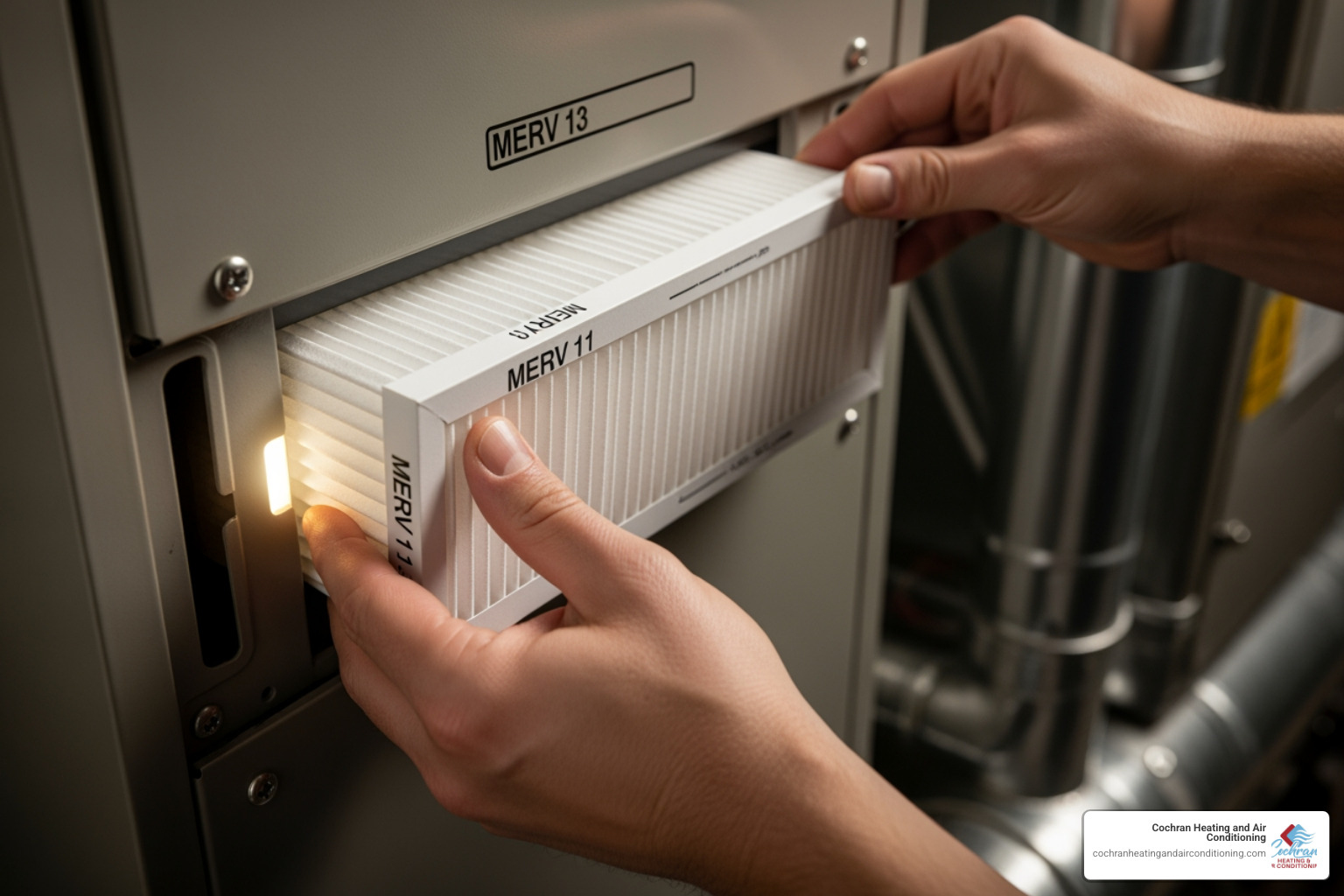
- Upgrading Your HVAC Filter: Your central HVAC system is key. We can upgrade your standard filter to a higher MERV (Minimum Efficiency Reporting Value) rating for better filtration. Regular filter replacement is crucial. Our AC maintenance tune-ups include filter checks.
- Whole-Home Air Purification Systems: These systems integrate into your HVAC ductwork to clean the air throughout your home, using advanced filtration, UV light, or ionization.
- UV Light Purifiers: Installed in your HVAC system, UV lamps can sterilize airborne bacteria, viruses, and mold spores.
- Professional Installation: For optimal performance, professional installation and maintenance of these systems are crucial. Our indoor air quality service in Joplin includes expert advice and installation.
Special Considerations: Home Age and External Events
A home’s age and external environmental factors can introduce unique air quality challenges that require specific attention.
Air Quality in Older vs. Newer Homes
Both older and newer homes have distinct air quality profiles.
- Older Homes (Built Pre-1980s): These homes may contain hazardous legacy materials.
- Asbestos: Found in insulation, tiles, and siding from the 1940s-1970s. Disturbed materials can release dangerous fibers.
- Lead Paint: Homes built before 1978 may have lead-based paint, which creates harmful dust as it deteriorates.
- Radon: Older homes with basements or crawl spaces can be more susceptible to radon infiltration.
- Outdated HVAC Systems: May lack adequate filtration and ventilation, leading to pollutant buildup.
- Newer Homes (Built Post-1980s): Modern, energy-efficient homes can have their own air quality issues.
- High VOC Levels: The “new house smell” is often from VOCs off-gassing from fresh paint, carpeting, and other materials.
- Airtight Construction: Energy-efficient construction can trap indoor pollutants, requiring mechanical ventilation to ensure fresh air exchange.
Impact of Wildfires and Floods
Environmental disasters can have a profound impact on indoor air quality.
- Smoke Particulates from Wildfires: Fine particulate matter (PM2.5) from wildfire smoke can easily infiltrate homes, worsening respiratory conditions. During these events, the EPA recommends creating a clean room and using portable air purifiers with HEPA filters to protect your indoor air.
- Mold Growth After Flooding: Flood water makes indoor air unhealthy. Mold can grow on wet materials within 24-48 hours, releasing spores that cause allergic reactions and respiratory problems. Professional house air quality testing for mold is critical after any flood, followed by thorough remediation.
Understanding the Costs and Finding Resources
Investing in cleaner air is an investment in your health. Understanding the costs of house air quality testing and remediation, as well as knowing where to find reliable information, helps you make informed decisions.
The Cost of Professional House Air Quality Testing
Costs vary based on the number and type of pollutants being tested.
- Individual Pollutant Testing:
- Radon: DIY kits are inexpensive ($10-$30), but professional inspections can cost up to $800.
- Mold: A professional inspection with sampling typically ranges from $300 to $1,000.
- Asbestos: Material sampling and lab analysis can cost $287 to $585 per sample, according to HomeAdvisor.
- VOCs: Testing can range from $200 to $300 per sample, with comprehensive assessments costing more.
- Comprehensive Testing: A general indoor air quality test covering multiple pollutants often falls between $200 and $1,000+.
- Remediation Costs: Budgeting for potential fixes is also important. Mold remediation can cost a few hundred to several thousand dollars, while a radon mitigation system typically costs $800 to $2,500. Asbestos abatement is often the most expensive, costing thousands.
These costs are an investment in your family’s health, potentially preventing larger medical expenses later.
Government Resources and Certifications
Navigating indoor air quality is easier with help from reputable resources.
- Environmental Protection Agency (EPA): The EPA is a leading authority. Their comprehensive Indoor Air Quality (IAQ) website offers detailed guides on pollutants and solutions. You can also subscribe to EPA Indoor Air Quality Updates to stay informed.
- State and Local Health Departments: These agencies provide local information, resources, and guidance on certified professionals in your area.
- Professional Certifications: When hiring a professional, look for certifications from recognized bodies like the American Council for Accredited Certification (ACAC), the Institute of Inspection, Cleaning and Restoration Certification (IICRC), or the National Environmental Health Association (NEHA).
- CDC Resources: The CDC offers resources on protecting your family from toxins like lead and asbestos. For immediate concerns, the national poison hotline is 1-800-222-1222.
Conclusion: Take the First Step to a Healthier Home
Testing your home’s air is the first step toward ensuring a safe environment for your family. Whether you start with a professional assessment or seek expert solutions, understanding what’s in the air you breathe empowers you to make impactful changes. For a comprehensive assessment and professional solutions custom to your home, trust the experts at Cochran Heating and Air Conditioning for a healthier home environment.
