
An AC compressor failure is one of the more expensive repairs a homeowner can face, and in Missouri’s humid, heat-heavy summers, it tends to happen at the worst possible time. Before you get a quote or decide whether repair or replacement makes more sense, here’s a straight breakdown of what compressor replacement costs in Missouri, what drives the price, and how to approach the decision smartly.
Average Cost to Replace an AC Compressor in Missouri
Most Missouri homeowners pay between $1,200 and $2,800 for an AC compressor replacement, including parts and labor. High-efficiency or larger capacity systems can push that figure closer to $3,500 or higher.
| Service Scope | Estimated Cost |
| Compressor Unit (parts only) | $400 – $1,500 |
| Labor Cost | $600 – $1,200 |
| Standard Central AC Compressor (installed) | $1,200 – $2,500 |
| High-Efficiency or Two-Stage Compressor | $700 – $1,200 |
| Heat Pump Compressor Replacement | $1,500 – $3,500 |
| Refrigerant Recharge (if needed) | $100 – $350 extra |
One important consideration is that if your system is over 10 to 12 years old, full system replacement often makes more financial sense than replacing the compressor alone. A licensed HVAC contractor can help you run the numbers before committing.
Cost Differences by AC Type (Central Air, Heat Pump, Package Unit)
System type plays a significant role in compressor replacement pricing. Each configuration has different equipment requirements and labor complexity.
Central Air Conditioner, $1,000 to $2,500
- The most common system in Missouri homes.
- Central AC compressors are widely available across most major brands, Carrier, Trane, Lennox, Rheem, and Goodman, which keeps parts pricing competitive.
- Labor is straightforward on most residential split systems, making this the most affordable compressor replacement category.
Heat Pump, $1,500 to $3,500
- Heat pump compressors handle both heating and cooling cycles, which means they run year-round and experience more wear than standard AC compressors.
- Replacement parts tend to cost more, and the installation requires additional refrigerant handling and system testing on both operating modes.
Package Unit, $1,800 to $3,500
- Package units house all components, compressor, evaporator, and condenser, in a single outdoor cabinet.
- Access is more complex, labor hours run higher, and compatible compressor options can be more limited depending on the unit age and brand.
Your home’s existing system type is one of the first things a contractor will assess when providing a replacement quote.
Factors That Affect Compressor Replacement Cost in Missouri Homes
Several variables move the final number significantly in either direction.
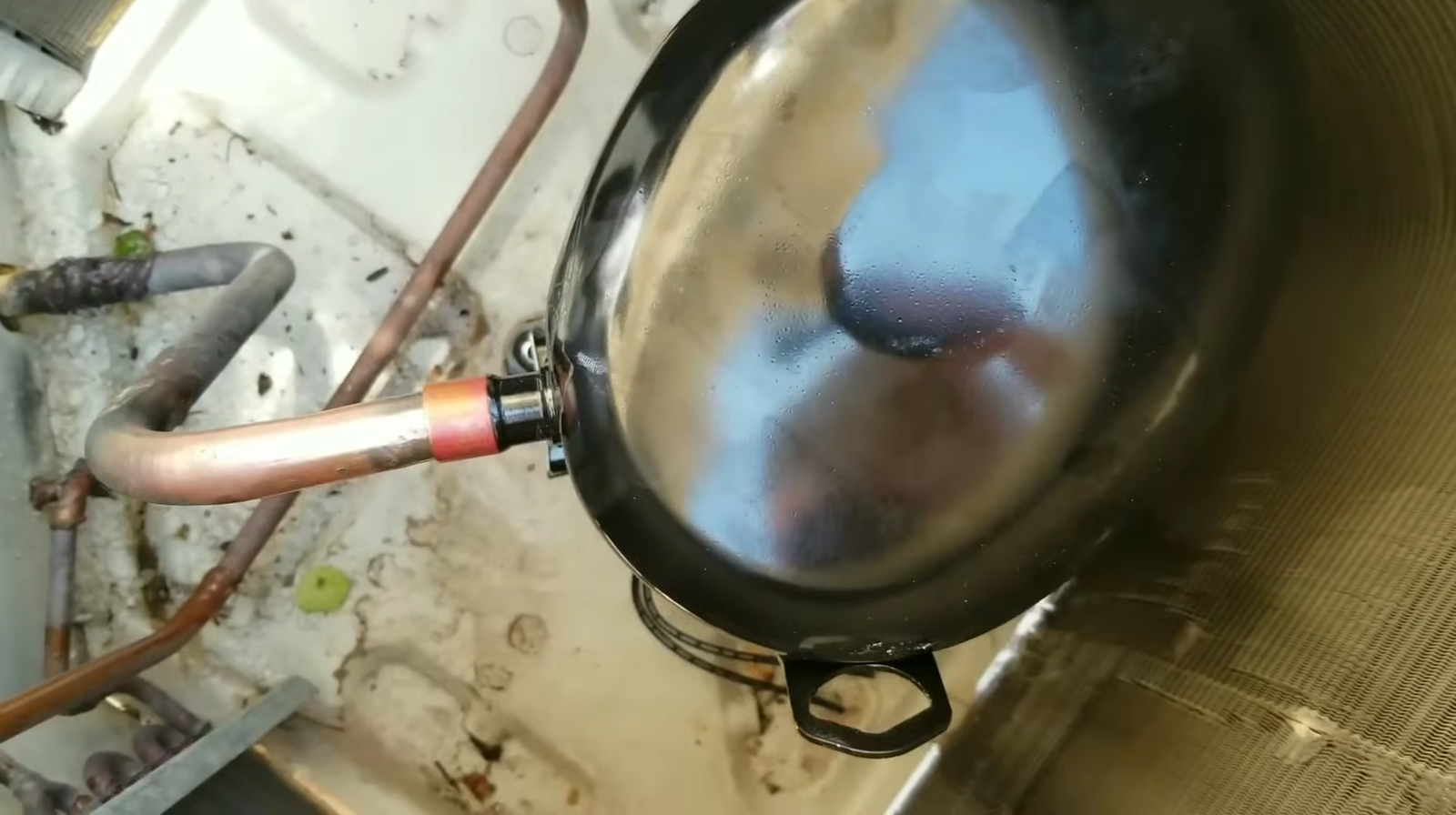
System Capacity (Tonnage)
Larger systems require higher-capacity compressors. A 5-ton commercial-grade residential unit costs considerably more to repair than a standard 2-ton system. Capacity is one of the most direct cost drivers in compressor pricing.
Brand and Parts Availability
OEM (original equipment manufacturer) compressors cost more than aftermarket alternatives but typically carry better warranty coverage and compatibility. Older or discontinued system models may have limited parts availability, which increases cost and sourcing time.
Refrigerant Type
Older Missouri systems running on R-22 refrigerant face significantly higher recharge costs, R-22 has been phased out under EPA regulations and is now expensive and difficult to source. Systems using R-410A or the newer R-454B are cheaper to service. If your system still runs on R-22, compressor replacement is often the right trigger point for full system upgrade.
Warranty Status
A compressor replaced under an active manufacturer warranty can reduce parts cost to near zero, you pay labor only. Always check your system’s warranty status before approving any repair. Some brands offer 5 to 10-year compressor warranties when registered by a certified installer.
Labor Complexity
Attic-mounted air handlers, tight mechanical room access, multi-story homes, and older ductwork configurations all add labor hours and increase total cost. Standard ground-level or basement installations are the most straightforward and affordable.
Additional Repairs Needed
Compressor failures sometimes damage surrounding components, capacitors, contactors, or refrigerant lines. A thorough diagnostic assessment before replacement identifies whether additional parts are needed, which affects the final quote.
How to Reduce the Cost of AC Compressor Replacement
A compressor replacement is a significant expense, but there are practical ways to reduce the out-of-pocket cost without cutting corners on quality.
Check Your Warranty First
- Before approving any repair, check both the manufacturer’s parts warranty and any extended warranty or home warranty coverage you hold.
- Labor-only costs are far more manageable than parts plus labor combined.
Get Multiple Written Quotes
- Pricing varies between Missouri HVAC contractors. Three written quotes give you a realistic market range and make outliers easy to identify.
- Each quote should itemize parts, labor, refrigerant, and any additional components separately.
Consider Full System Replacement
- If your system is over 10 to 12 years old, replacing only the compressor puts new parts into an aging system that may fail elsewhere within a few years.
- A full replacement costs more upfront but comes with a full warranty, higher efficiency ratings, and long-term reliability. Run the cost comparison carefully before deciding.
Ask About Aftermarket Compressor Options
- Aftermarket compressors from reputable manufacturers can cost 20 to 40% less than OEM parts while still carrying solid warranty coverage.
- Ask your contractor whether an aftermarket option is appropriate for your system.
Take Advantage of Federal Tax Credits
- If compressor replacement leads to a full system upgrade, qualifying high-efficiency systems may be eligible for federal tax credits under the Inflation Reduction Act, up to 30% on qualifying equipment.
- Ask your contractor which systems meet the eligibility requirements.
Questions to Ask Before Hiring an HVAC Contractor in Missouri
The right questions upfront protect you from unexpected costs and poor workmanship. Ask these before committing to any contractor.
- Is the compressor failure confirmed through proper diagnostics? A thorough diagnostic, not just a visual inspection, should confirm the compressor has failed before any replacement is approved. Misdiagnosis is more common than it should be.
- Are you recommending OEM or aftermarket parts, and why? Both have legitimate use cases. The contractor should be able to explain the trade-offs clearly and let you make an informed decision.
- Does my system warranty cover this replacement? Ask the contractor to check manufacturer warranty status before pricing out parts. A good contractor does this automatically, if they don’t, ask directly.
- Is full system replacement worth considering at this point? Any honest contractor will walk you through this comparison. If they push compressor replacement on a 12-year-old system without addressing the full replacement question, that’s worth probing further.
- What does the labor warranty cover and for how long? Standard labor warranties run 1 to 2 years. Confirm what’s covered and get it in writing before work begins.
- Are you licensed and insured in Missouri? Non-negotiable. Verify Missouri HVAC licensing and confirm general liability and worker’s compensation insurance before any technician starts work.
Final Thoughts
AC compressor replacement in Missouri is a significant investment, and the right decision isn’t always to replace the compressor. System age, refrigerant type, warranty status, and overall condition all factor into whether repair or full replacement delivers better long-term value. A licensed, NATE-certified Missouri HVAC contractor with transparent pricing and verifiable reviews is the right person to help you make that call. Get multiple quotes, check your warranty first, and don’t skip the diagnostic step before approving any work.
FAQs
How Much Does It Cost To Replace An Ac Compressor In Missouri?
Most Missouri homeowners pay between $1,200 and $2,800 for a full compressor replacement including parts and labor. High-efficiency or larger capacity systems can reach $3,500 or more.
Is It Worth Replacing An Ac Compressor Or Buying A New System?
If your system is under 10 years old and under warranty, compressor replacement usually makes sense. For systems over 10 to 12 years old, full replacement often delivers better long-term value, especially with available federal tax credits on qualifying high-efficiency equipment.
How Long Does Ac Compressor Replacement Take?
Most standard compressor replacements take 3 to 6 hours for an experienced technician. Complex installations involving limited access, refrigerant recovery, or additional component repairs may take longer.
Does Homeowner’s Insurance Cover Ac Compressor Replacement In Missouri?
Standard homeowner’s insurance typically doesn’t cover mechanical failure. Home warranty plans may cover compressor replacement depending on the policy, check your coverage before paying out of pocket.
What Causes An Ac Compressor To Fail?
Common causes include refrigerant leaks, electrical failures, dirty coils causing overheating, improper refrigerant charge, and normal wear over time. Regular annual maintenance significantly reduces the risk of premature compressor failure.
How Long Does A Replacement Ac Compressor Last?
A properly installed replacement compressor typically lasts 10 to 15 years with regular maintenance. System age, refrigerant type, and maintenance history all affect actual lifespan.
Can I Run My Ac With A Failing Compressor?
Running an AC with a failing compressor risks damaging other system components, particularly the condenser and refrigerant lines. If you suspect compressor failure, shut the system down and schedule a diagnostic visit promptly.
What Refrigerant Does My Missouri Ac System Use?
Systems installed before 2010 likely use R-22, which is now phased out and expensive to source. Systems installed after 2010 typically use R-410A. Newer high-efficiency systems are transitioning to R-454B. Your contractor can confirm refrigerant type during the diagnostic visit.