
Joplin summers aren’t just hot, the humidity is what makes cooling genuinely hard work for your AC system. Here’s what that means for your home, your energy bills, and your equipment.
How Missouri Humidity Affects AC Systems in Joplin Homes
Missouri summer humidity regularly climbs above 70–80%, and your AC handles both heat and moisture simultaneously. As warm, moist air passes over the evaporator coil, moisture condenses and drains away through the condensate line, a process that runs continuously through peak summer months.
What high humidity does to your AC:
- Forces longer run cycles to reach and hold the set temperature
- Increases wear on the compressor and blower motor
- Raises the risk of the evaporator coil freezing
- Puts extra demand on the condensate drain system
- Reduces the “cool and dry” air quality that makes a space actually feel comfortable
A home that feels clammy despite the AC running isn’t just a temperature problem, it’s a sign the system is losing the humidity battle.
Signs Your AC Is Struggling With Humidity Control
Humidity problems show up in specific ways, and most homeowners mistake them for simple cooling issues.
Inside your home:
- Air feels sticky or muggy even at the set temperature
- Condensation forming on windows or cold surfaces
- Musty odors from vents, moisture buildup in ductwork, or the air handler
- Mold or mildew near vents or on walls
- Warping wood floors, doors, or furniture
From the AC system:
- Water pooling around the indoor air handler
- Ice on the evaporator coil or refrigerant lines
- System running continuously without cycling off
If two or more of these signs are present, your system needs attention before the problem compounds throughout the season.
How Humidity Impacts Energy Bills During Summer
High humidity doesn’t just make your home uncomfortable, it directly increases what you pay to cool it each month.
High humidity reduces your body’s natural ability to cool itself, making you feel warmer at the same temperature. This typically leads to lowering the thermostat, and each degree lower adds approximately 3–5% to cooling costs.
| Humidity Factor | Energy Impact |
| Longer run cycles removing moisture | Higher daily electricity consumption |
| Lower thermostat settings for comfort | 3–5% cost increase per degree |
| Reduced coil efficiency | 10–20% efficiency loss over a season |
| Increased compressor workload | Higher repair frequency and wear |
Homes without proper humidity control routinely pay 15–25% more in summer energy costs. Addressing humidity control is one of the most direct ways to cut summer energy bills in Joplin.
Maintenance Tips to Protect Your AC in Humid Conditions
Standard maintenance goes a long way, but humid conditions put extra demand on specific components that need more frequent attention.
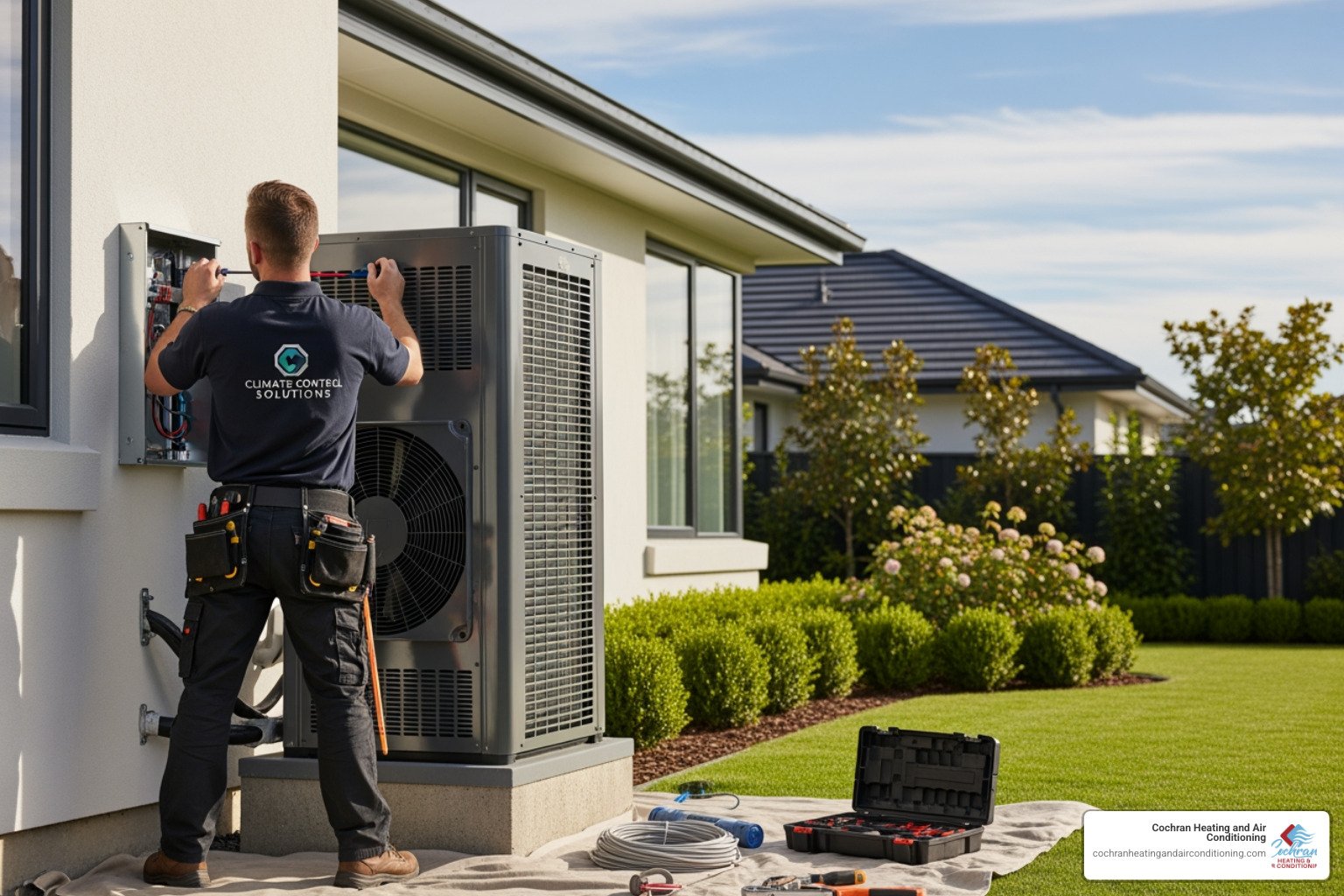
- Change filters every 4–6 weeks in summer. Moisture accelerates filter clogging in humid conditions. Don’t wait for the full 3-month cycle during Joplin’s peak season.
- Flush the condensate drain line. The drain removes moisture collected by the evaporator coil. Algae and debris build up quickly in humid conditions. Flush with diluted bleach solution at the start of each season.
- Schedule annual coil cleaning. Dirty coils reduce moisture removal efficiency. A professional spring cleaning restores performance before the humid months begin.
- Seal and insulate ductwork. Leaky ducts in humid attic spaces pull warm, moist air into conditioned areas, adding to the humidity load your AC manages daily.
- Monitor indoor humidity levels. A basic hygrometer (under $20) tracks indoor relative humidity. Target range is 40–50%. Consistent readings above 55–60% in summer signal a problem worth addressing.
- Consider a whole-home dehumidifier. For persistent humidity issues, a whole-home dehumidifier integrated with your HVAC system removes moisture independently of the cooling cycle, reducing AC workload and improving comfort.
These steps cost very little upfront and prevent moisture-related failures that are far more expensive to fix mid-summer.
When to Upgrade Your AC for Better Humidity Control
If maintenance isn’t solving your humidity problem, the system itself may be the issue.
Oversized AC Units
An oversized system cools air temperature quickly and shuts off before completing a full run cycle without removing adequate moisture. This is called short cycling, and it leaves air feeling cold but damp.
Aging Systems
Units over 12–15 years old weren’t designed for modern humidity management. Newer variable-speed systems run longer, lower-intensity cycles that remove significantly more moisture per hour.
Signs It’s Time To Consider An Upgrade:
- Persistent humidity problems despite regular maintenance
- System age over 12–15 years with recurring issues
- SEER2 rating below 14
- Repair costs approaching 50% of replacement value
What To Look For In A Replacement:
- Variable-speed or two-stage compressor, longer cycles, better moisture removal
- 16 SEER2 or above, meaningful efficiency gains for Missouri’s climate
- Manual J load calculation, ensures correct sizing for your home’s actual humidity and cooling load
A licensed Joplin HVAC contractor can confirm whether your current system is up to the job, or whether an upgrade makes more financial sense long-term.
Final Thoughts
Missouri humidity makes cooling a Joplin home more demanding than the temperature alone suggests. An AC that handles heat but loses the humidity battle leaves your home uncomfortable, drives up energy bills, and wears out faster.
Regular maintenance, coil cleaning, drain care, and frequent filter changes, goes a long way. If maintenance isn’t keeping up, the system may be oversized or outdated. Don’t wait, small humidity-related issues left unchecked through summer almost always become bigger, more expensive ones by fall.
FAQs
Why Does My Home Feel Humid Even With The AC Running?
Most likely your AC is short cycling, cooling air quickly without running long enough to remove moisture. It could also be overdue for maintenance or have a clogged condensate drain.
What Is The Ideal Indoor Humidity Level In Joplin During Summer?
Between 40% and 50% relative humidity. Readings consistently above 55–60% in summer indicate a humidity control problem worth addressing.
Does High Humidity Make My AC Work Harder?
Yes. High humidity forces longer run cycles, increases compressor workload, and reduces efficiency. Joplin homes with unmanaged humidity typically pay 15–25% more in summer cooling costs.
Can A Dirty Filter Cause Humidity Problems?
Yes. A clogged filter restricts airflow over the evaporator coil, reducing its ability to remove moisture. Change filters every 4–6 weeks during summer in Joplin.
What Is A Whole-Home Dehumidifier?
A unit integrated with your HVAC system that removes moisture independently of the cooling cycle, useful for homes with persistent humidity issues or older AC systems.
How Often Should I Service My AC For Missouri Humidity?
Once a year in spring minimum. Coil cleaning, condensate drain flushing, and refrigerant checks are particularly important given Joplin’s humid summer conditions.
How Do I Know If My AC Is The Right Size For Joplin’s Humidity?
A properly sized system maintains both temperature and humidity without short cycling. If your home cools quickly but still feels muggy, the unit is likely oversized, a Manual J load calculation confirms correct sizing.
What Causes Musty Odors From AC Vents In Joplin Homes?
Musty smells usually indicate moisture buildup in the ductwork, air handler, or evaporator coil, common in humid conditions. Annual coil cleaning and condensate drain flushing are the most effective fixes.